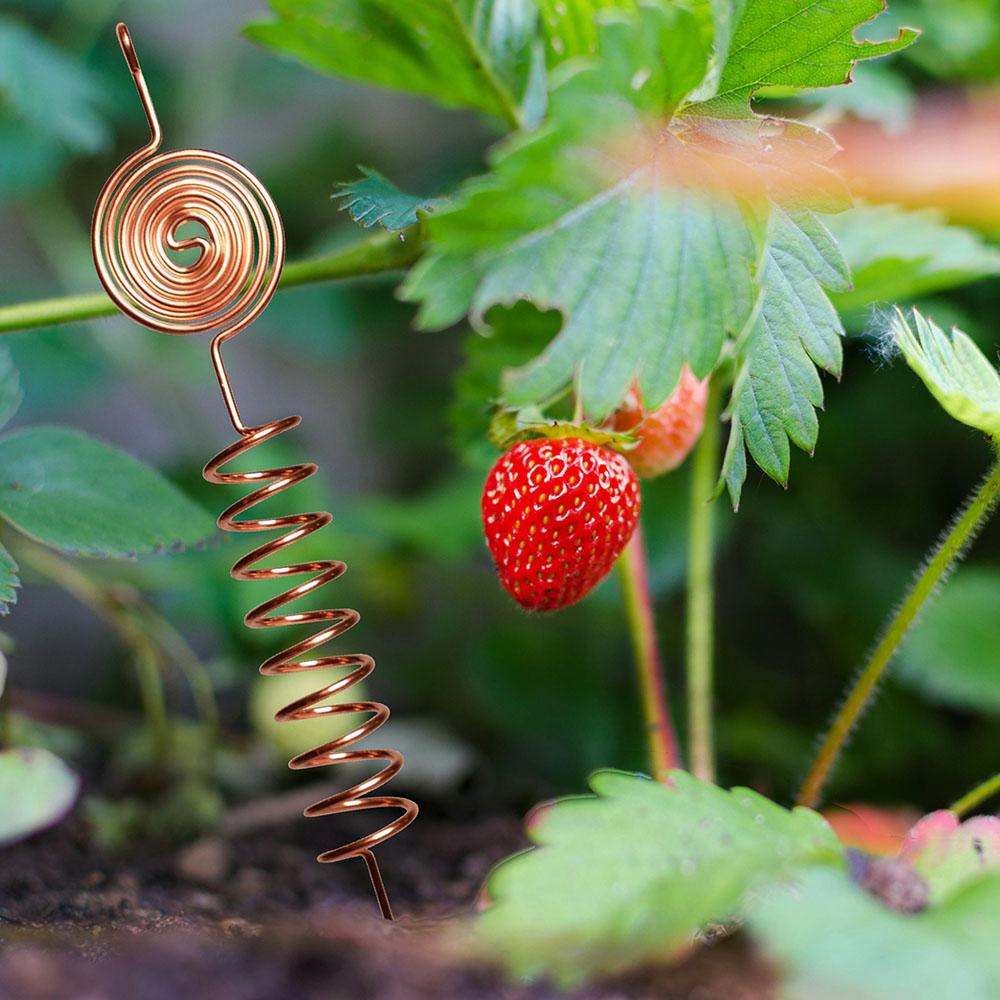
Electroculture, the intriguing method , proposes that plants can thrive when subjected to low-voltage electrical charges. Certain electroculture contend that this subtle jolt increases water absorption , resulting to quicker growth and possibly more production. While scientific check here validation is limited , many enthusiasts share impressive gains in their personal plots, encouraging additional investigation of this nascent approach to agriculture and produce creation .
The Beginner's Guide to Electro-culture Gardening
Wanting to learn a new gardening method ? Electroculture gardening involves harnessing subtle energies to enhance plant development . This sounds complex , but the fundamental principles are surprisingly easy to grasp . Typically, it includes creating the grid of metal wire around your plants , often connected to a small energy source. While definitive proof exists limited, many enthusiasts report significant increases in vegetation health and output . This briefly examine the fundamentals in upcoming sections.
Is Electroculture Really Work? Distinguishing Reality versus Fantasy
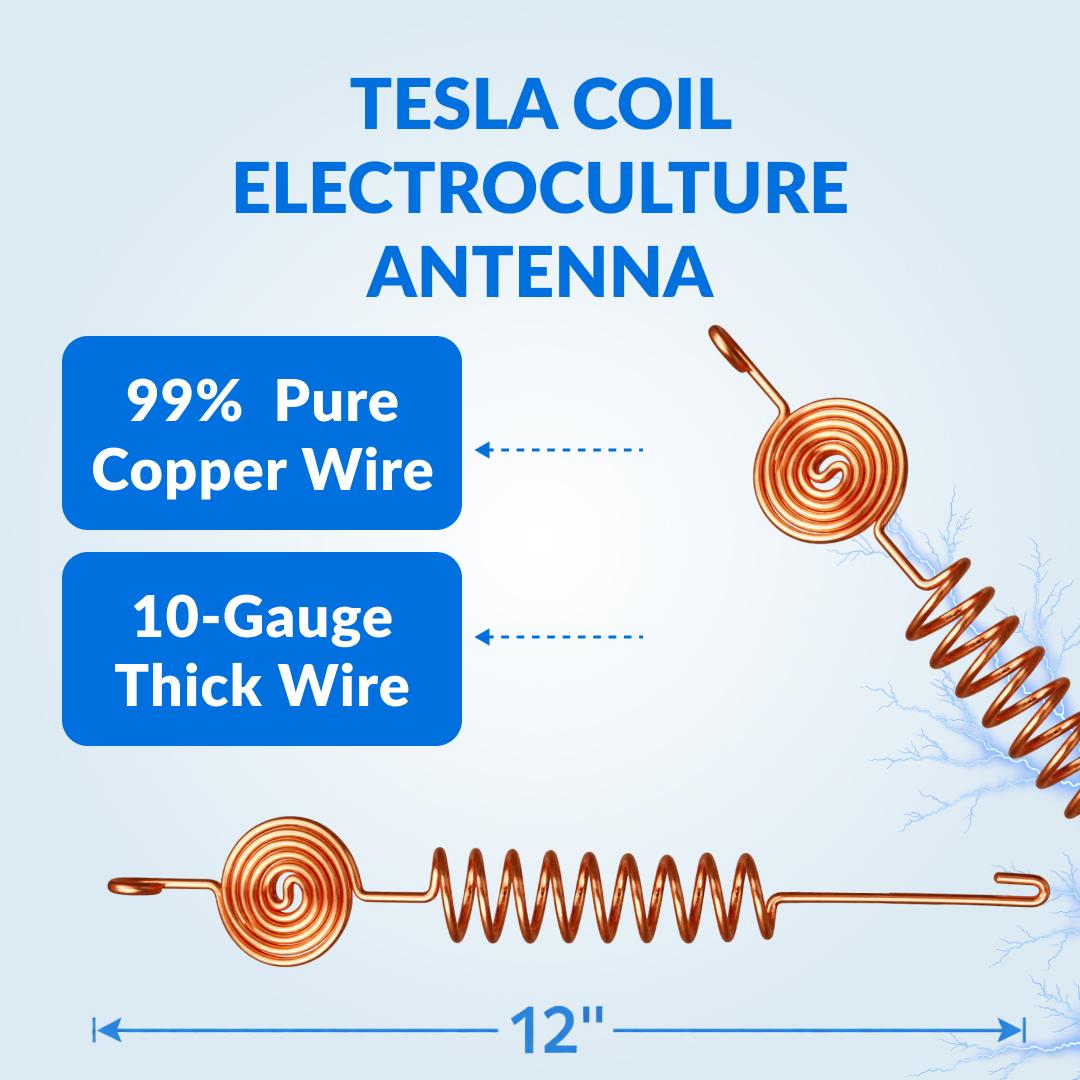
Electroculture, a process utilizing subtle electricity to boost vegetation production, ignited widespread interest online. However, it's essential to thoroughly examine the claims and separate genuine observations from dubious promotion. While several early trials suggest to demonstrate better outputs, the scientific basis stays mostly obscure. Several reportedly successes could be caused by other factors, like improved soil, hydration, or basic coincidence. Better research and official confirmation are essential to establish if electroculture is a viable growing practice.
Building Your Own Electrical Garden: A Practical Guide
Embarking on the fascinating world of electroculture can appear daunting, but creating your homemade electroculture garden is surprisingly doable with a certain basic steps. First, gather your materials: a pot , copper strips, zinc plate , water, and a electrical charge – a small battery or self-made cell can suffice. Afterward, arrange the copper and zinc encircling the water in the container, ensuring they don't touch. The energetic field produced between these metals is considered to promote plant development . Finally, watch your plants and fine-tune the system as necessary – electroculture is as much dealing with experimentation as it is about following guidelines.
Electrical Gardening vs. Conventional Gardening : Which This Distinction?
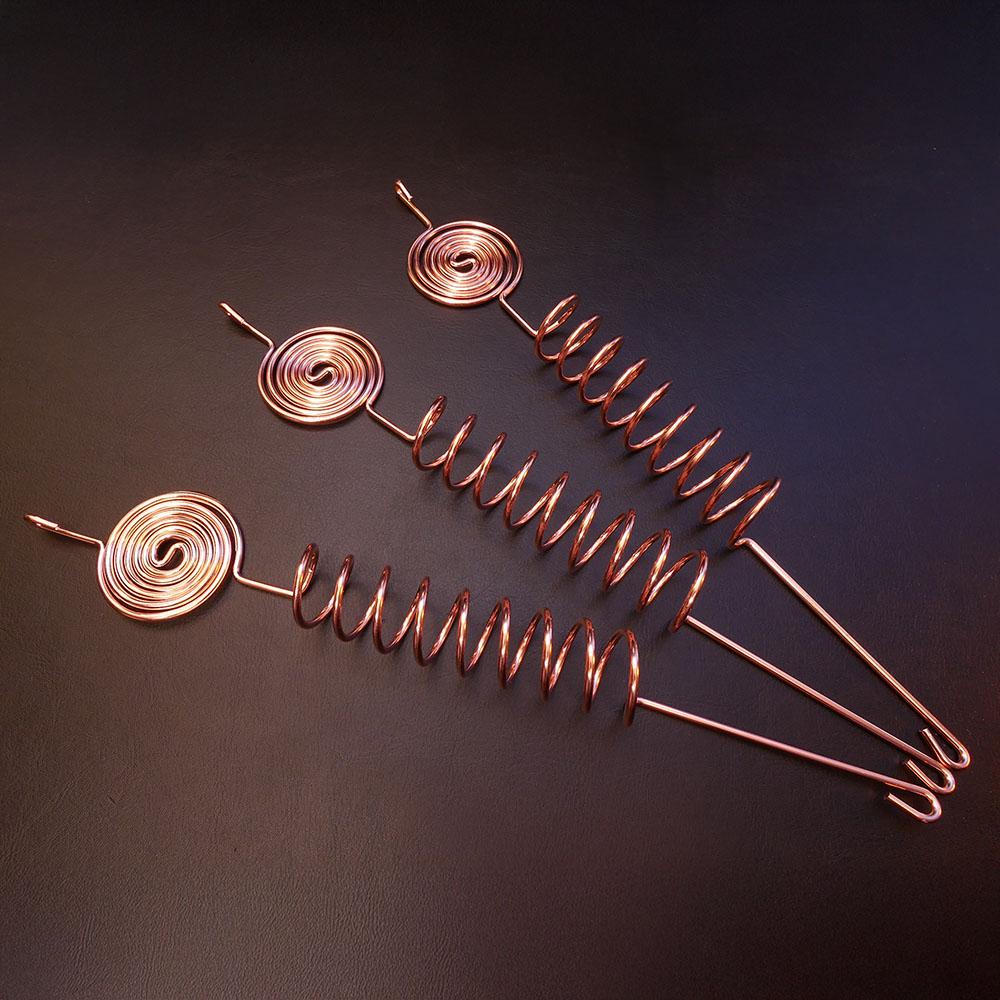
Numerous cultivators are exploring electroculture as an alternative to standard horticulture . While both pursue to grow healthy plants , they utilize drastically different strategies. Traditional horticulture depends on earth elements, light , and water , often with extra fertilizers . In opposition , electrical gardening utilizes a low bio-electrical to activate plant development , conceivably lessening the requirement on soil and conventional nutrients . Finally , electrical gardening represents a fairly new area in farming with distinct potential .
Boosting Plant Growth with Electroculture: Potential & Practicalities
Electroculture, a fringe method indicating plant flourishing through electrical currents , has ignited considerable attention amongst cultivators . Early accounts suggested remarkable enhancements in harvest and total plant health . While the precise mechanism remains uncertain , some theories direct to greater water assimilation and nutrient availability within the soil . Practical implementations can span from rudimentary DIY setups using copper and zinc electrodes to more complex systems . However, it’s essential to consider electroculture with care , acknowledging the limited peer-reviewed scientific evidence and potential risks associated with incorrect implementation. Further research is needed to fully comprehend the possibility and drawbacks of this fascinating approach to horticulture .
- Potential benefits include increased yield and improved plant health.
- Consider the need for further research and scientific validation.
- Practical applications range from simple DIY systems to complex configurations.